Choosing the right group activity can have a lasting impact on your confidence, independence, and quality of life. While there are many NDIS-funded activities available, not every program will suit every individual. The best choice is one that reflects your interests, supports your goals, and provides the right level of guidance to help you thrive.
This complete guide explains how to choose an NDIS group activity program that offers meaningful experiences, encourages skill development, and helps you become a more active member of your community.
What Is an NDIS Group Activity Program?
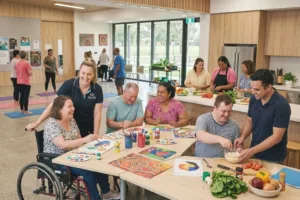
An NDIS group activity program brings together participants like you with similar interests or goals to take part in structured activities supported by trained staff.
Programs may include:
- Community outings
- Arts and crafts
- Music and dance
- Cooking classes
- Gardening
- Sports and fitness
- Technology workshops
- Life skills training
- Educational workshops
- Cultural events
- Recreational
- Volunteer opportunities
Depending on the provider, these activities may be held at a community centre or in local venues such as parks, libraries, sporting facilities, cafés, or recreation spaces.
The purpose of these programs is to help participants build practical skills, improve social confidence, increase community participation, and work towards the goals outlined in their NDIS plan.
How to Choose the Right NDIS Group Activity Program
1. Start With Your NDIS Goals
Your NDIS plan outlines the goals you want to achieve, whether that’s becoming more independent, improving communication, building social connections, or participating more confidently in your community.
Before selecting a program, ask yourself:
- Will this activity help me work towards my goals?
- Does it encourage skill development?
- Will it improve my confidence or independence?
- Can I learn something that supports everyday life?
The most valuable programs are those that combine enjoyable activities with meaningful outcomes.
2. Choose Activities That Match Your Interests
Think about hobbies, interests, and activities that make you feel engaged and excited to participate, such as:
- Art and craft
- Cooking
- Music
- Gardening
- Fitness classes
- Community outings
- Sports
- Technology workshops
- Games and social events
When activities reflect your personal interests, you are more likely to attend consistently, build new skills and friendships, and gain confidence over time.
3. Consider the Level of Support You Need
Every participant has unique support requirements.
A quality provider will understand your individual needs and offer appropriate support without limiting your independence.
Look for programs that consider:
- Appropriate staff-to-participant ratios
- Individualised support during activities
- Physical accessibility
- Mobility assistance
- Behaviour support where required
- Communication support
- Sensory-friendly environments
- Flexible support based on changing needs
The right balance of support allows you to feel confident without becoming overly dependent on staff.
4. Look for Experienced and Supportive Staff
Support workers play an important role in creating a positive group experience.
Look for providers whose staff:
- Treat participants with respect
- Encourage independence
- Understand different disabilities
- Promote inclusion
- Communicate clearly
- Build positive relationships
A welcoming and supportive team can make a significant difference to your overall experience.
5. Make Sure Activities Build Everyday Skills
The best group activities should help you develop skills that can be used in everyday life, including:
- Communication
- Teamwork
- Problem-solving
- Decision-making
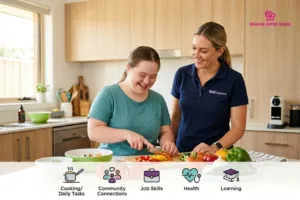
- Cooking and meal preparation
- Shopping
- Budgeting
- Household organisation
- Time management
- Travel training
These practical experiences contribute to greater independence and can improve your confidence outside the program as well.
6. Look for Community-Based Experiences
Programs that extend beyond a centre or classroom often provide valuable real-world learning opportunities.
Community activities may include:
- Visiting local cafés
- Going to libraries
- Shopping trips
- Walking groups
- Museums and galleries
- Parks
- Sporting events
- Local festivals
- Shopping centres
- Community markets
These experiences help you become familiar with your local community while building confidence in different social settings.
7. Ensure Participants Have Choice and Control
NDIS provides participants with opportunities to make decisions about their own support and activities.
Look for programs that allow participants to:
- Choose activities they enjoy
- Set personal goals
- Decide how often they participate
- Try new experiences
- Provide feedback
- Adjust activities as their interests change
Programs that respect your choice are more likely to encourage long-term engagement.
8. Visit the Program Before Making a Decision
Whenever possible, visit the provider before committing.
Witnessing the environment firsthand can tell you far more than reading a brochure or website.
Pay attention to questions such as:
- Do participants appear happy and engaged?
- Are staff approachable and supportive?
- Is the environment welcoming and inclusive?
- Are activities organised and well planned?
- Does everyone have an opportunity to participate?
9. Ask the Right Questions
Choosing a provider is an important decision, so don’t hesitate to ask:
- How are activities planned?
- How are activities matched to participant goals?
- Can participants choose which activities to attend?
- Can activities be adjusted to individual needs?
- What qualifications do staff have?
- How is participant progress monitored?
- How are families and carers involved?
- What safety procedures are in place?
- How is participant feedback used?
- How do you encourage community participation?
A quality provider should be happy to answer your questions and explain how their programs support you.
10. Review Progress Regularly
The right program should continue to meet your needs as your goals evolve.
Take time to reflect on your progress by asking:
- Am I enjoying the activities?
- Have I developed new skills?
- Do I feel more confident?
- Have I made meaningful friendships?
- Am I becoming more independent?
- Does this program still align with my NDIS goals?
Regular reviews help ensure you continue receiving support that genuinely benefits you.
Common Mistakes to Avoid
Many people focus only on convenience when choosing a program, but there are other important factors to consider.
Avoid:
✘ Choosing solely based on location
✘ Ignoring participant interests
✘ Overlooking staff experience
✘ Selecting activities that don’t align with NDIS goals
✘ Forgetting to ask about community participation
✘ Staying with a program that no longer supports personal growth
Take the time to evaluate different providers for better long-term outcomes.
Signs You’ve Found the Right Program
While every participant’s experience is different, a well-suited program should make you feel welcomed, valued, and motivated to participate.
Some positive signs include:
✔ Increased confidence in social situations
✔ Looking forward to attending activities
✔ Better communication skills
✔ Learning practical skills
✔ Greater independence in daily life
✔ Stronger friendships and social connections
✔ More willingness to try new experiences
✔ Improved participation within the community
✔ Achieving personal goals over time
When participants enjoy attending activities and continue developing new skills, it’s often a good indication they’ve found the right fit.
Group Activities in Toowoomba with Dream Big Support Services
We run small, locally based NDIS group activity programs across Toowoomba, built around what participants actually want to do; not a fixed program. Our team creates welcoming experiences that encourage participants to build confidence, develop everyday skills, and form meaningful connections within their community.
If you’re weighing up options, we’re happy to talk through what would genuinely suit your goals. You can see how our current group activities program runs, or check how it connects with capacity-building supports and community participation if you’re building a broader plan.
To learn more about our programs or discuss your support needs, contact Dream Big Support Services today.